
Endovenous Laser Ablation (EVLA)
Endovenous laser ablation (EVLA) is a modern, minimally invasive treatment for varicose veins caused by underlying vein reflux. For many patients with suitable vein anatomy, it has become a widely used alternative to traditional vein stripping surgery and is supported by international clinical guidelines for appropriately selected patients. Guidelines from organisations such as the National Institute for Health and Care Excellence (NICE), the European Venous Forum, and the Society for Vascular Surgery recommend endovenous thermal ablation techniques—including EVLA—as a first-line treatment option for patients with symptomatic varicose veins due to truncal vein reflux, where anatomically suitable.
What is EVLA used for?
EVLA is used to treat larger surface veins that are not functioning normally and allow blood to flow backwards. This reflux can contribute to symptoms such as:
1. Visible varicose veins
2. Heaviness or aching in the legs
3. Swelling
4. Skin irritation or colour changes
By treating the underlying vein problem, EVLA aims to improve symptoms and reduce the risk of further vein-related complications.
What happens during the procedure?
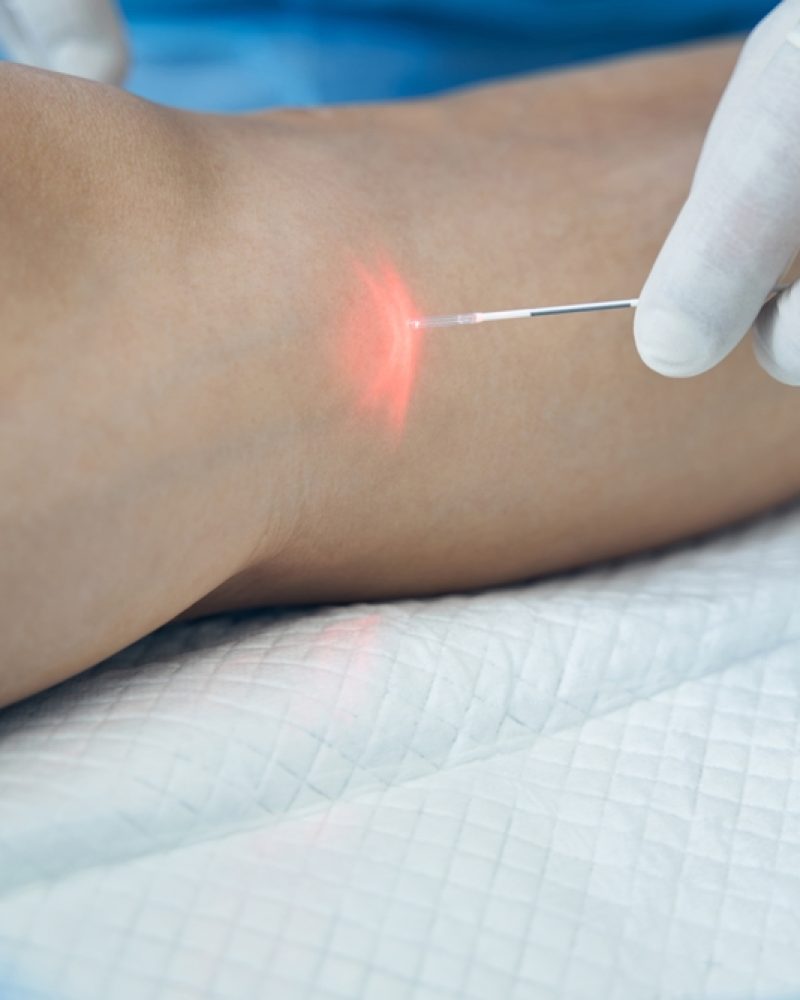
EVLA is performed using ultrasound guidance to ensure accuracy and safety. A very fine laser fibre is gently inserted into the affected vein through a small skin puncture, and local anaesthetic is used to numb the area. Laser energy is then delivered in a controlled manner along the vein, causing it to close. Blood flow is naturally redirected to healthier veins. The procedure is usually performed in a clinic setting. Patients are encouraged to walk immediately afterwards, and most people are able to return to normal daily activities shortly after treatment.
Why patients often choose EVLA?
For appropriately selected patients, EVLA offers several practical advantages compared with traditional surgical treatments: Minimally invasive, with no large incisions Typically performed under local anaesthetic Short treatment time Faster recovery for many patients Less post-procedure discomfort compared with surgery Every patient’s experience is different, and outcomes can vary.
Will I need other treatments?
Not all veins are suitable for laser treatment alone. Smaller surface veins or residual varicosities are often treated with additional procedures such as sclerotherapy. For this reason, varicose vein care is usually planned as a personalised, staged approach, tailored to individual anatomy and symptoms.
Is EVLA right for me?
EVLA is not suitable for everyone. A detailed consultation and duplex ultrasound scan are essential to confirm the cause of varicose veins and determine the most appropriate treatment options. Your doctor will take the time to explain the findings, discuss potential benefits and risks, and outline any alternative treatments, so you can make an informed decision.